Senolytic Supplements: An Introduction to Their Function and Significance
Imagine your body’s cells have a retirement plan. Most divide and replenish themselves healthily, but some become “zombie cells” as we age. These cells, known as senescent cells, stop working properly but don’t disappear. Instead, they linger and release inflammatory signals that can slow down healthier cells and contribute to the aging process.
Senolytic supplements are designed to address this specific issue. Their core function is to encourage the body’s natural process of removing these dysfunctional zombie cells. Think of them as a targeted cleanup crew for your cellular environment.
The potential significance of this action is a major focus of modern wellness science. By clearing out these problematic cells, senolytics aim to support the body’s inherent rejuvenation processes. This foundational approach is why they are gaining attention for promoting healthy aging, maintaining tissue health, and helping you feel your best for years to come. They work at the root cellular level, offering a unique strategy for long-term vitality.
What you will find here about senolytic supplements:
- What is Apoptosis and Why is it Important for Healthy Aging?
- Natural Powerhouses: Fisetin, Quercetin, and Safety in Senolytics
- Diet and Key Senolytic Compounds
- Navigating Senolytic Supplements: Usage, Duration, and Considerations
- Senolytic Supplements: Are They Worth It vs. Other Anti-Aging Options?
- The Future of Senolytic Supplements
- FAQ on Senolytic Supplements
What is Apoptosis and Why is it Important for Healthy Aging?
Apoptosis, often called programmed cell death, is the body’s natural mechanism for removing old, damaged, or dysfunctional cells. This process is crucial for maintaining healthy tissues, eliminating potentially harmful cells, and supporting normal cellular turnover.
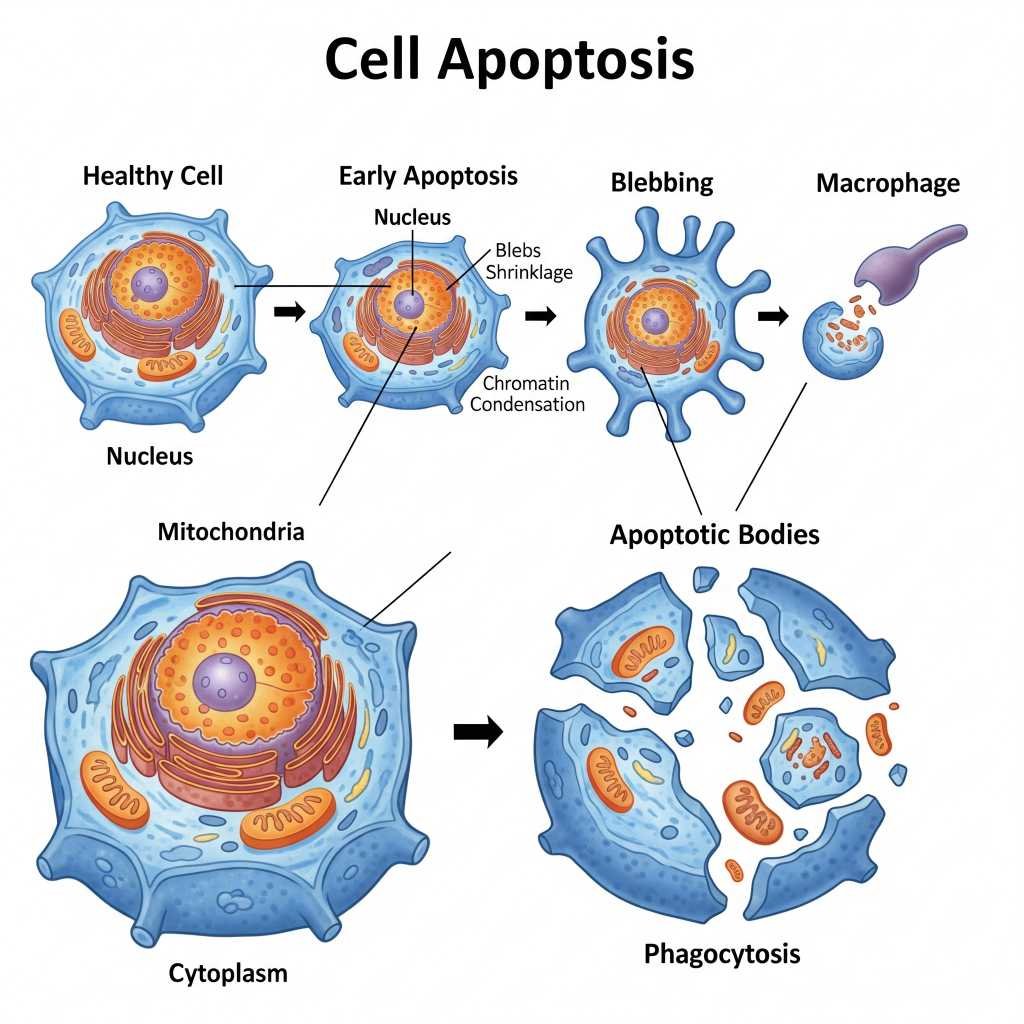
However, as we age, some damaged cells resist apoptosis. These “senescent” or zombie cells accumulate, secreting inflammatory compounds that accelerate aging and contribute to age-related decline. This is where senolytic supplements come in.
Senolytics are a class of natural and synthetic compounds designed to target and clear these stubborn senescent cells by triggering their apoptotic pathway. Key natural senolytics include:
- Fisetin (found in strawberries)
- Quercetin (found in apples and onions)
By promoting the removal of these problematic cells, senolytic supplements support cellular health, reduce inflammation, and are a key focus in healthy aging strategies.
Natural Powerhouses: Fisetin, Quercetin, and Safety in Senolytics
Exploring senolytic supplements introduces you to flavonoids like fisetin and quercetin, plant-derived compounds studied for their role in supporting cellular health.
What are flavonoids?
Flavonoids are a large group of naturally occurring compounds found in fruits and vegetables. They contribute to vibrant colors in plants and are well known for antioxidant properties that may support general health.
Fisetin & Quercetin — natural senolytics
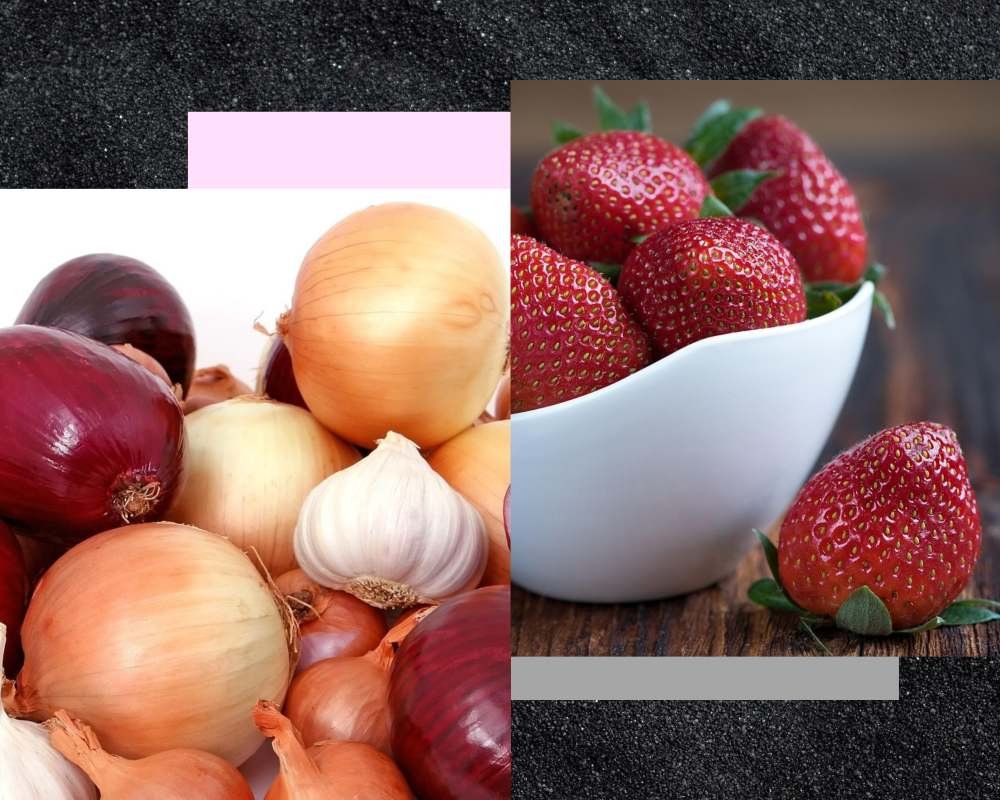
Fisetin (found in strawberries, apples, and other produce) and quercetin (common in apples, onions, and tea) are two flavonoids studied for senolytic activity — the ability to help clear aged or senescent cells that can contribute to inflammation and tissue decline.
Important: Effects seen in laboratory and early clinical research are not the same as proven clinical therapies. Dietary intake is generally safe; concentrated supplements may have different effects.
Natural vs. synthetic senolytics
- Natural (fisetin, quercetin): Typically well tolerated when consumed in food; supplements concentrate the compounds and may increase exposure.
- Synthetic senolytics: Often developed in pharmaceutical research to be more potent and targeted, but can carry a higher risk of side effects and require careful dosing.
Safety considerations
- Consult a healthcare professional before starting any senolytic supplement — especially if you take medications or have chronic conditions, because interactions are possible.
- Supplements can vary in purity and concentration; food sources are a safer route for most people.
- Research is still evolving; long-term safety and efficacy of concentrated senolytic supplements are not fully established.
Practical advice
For most people, focusing on a diet rich in colorful fruits and vegetables — which naturally contain fisetin, quercetin, and many other beneficial flavonoids — is a safe and evidence-friendly way to support cellular health.
Diet and Key Senolytic Compounds
Focus on foods rich in specific flavonoids to support cellular health and provide dietary senolytic support.
Fisetin — a potent senolytic
Fisetin is highly concentrated in strawberries and is also found in apples, persimmons, and onions. It’s one of the flavonoids studied for its ability to help clear aged or dysfunctional cells.
Quercetin — another well-studied flavonoid
Quercetin is abundant in capers, onions, kale, and apples. Like fisetin, quercetin has been researched for senolytic potential and antioxidant benefits.
Dietary approach
Incorporating a variety of flavonoid-rich foods into your diet offers a practical, food-first approach to supporting cellular health. While synthetic senolytics are designed for greater potency in research and clinical contexts, whole foods provide a foundation of antioxidants and other beneficial nutrients.
Note: Eating these foods is generally safe and healthful, but concentrated supplements can differ in potency and effects. Consult a healthcare professional before starting any supplement regimen.
Navigating Senolytic Supplements: Usage, Duration, and Considerations
Senolytic supplements show promise, but their use requires careful consideration. Potential side effects can include temporary gastrointestinal discomfort, fatigue, or nausea as the body clears senescent cells.
How you take them is crucial. Unlike daily vitamins, senolytics are often taken in intermittent cycles (e.g., a few days per month) to target senescent cells without continuously affecting healthy ones. The exact duration depends on the specific formulation and individual health goals.
Your personal profile significantly influences suitability. Age, biological sex, pre-existing health conditions, and concurrent medications are critical factors. For instance, their effects may differ in older adults versus middle-aged individuals. Always consult a healthcare professional before starting a regimen to personalize the approach, mitigate risks, and ensure it aligns with your wellness objectives.
Senolytic Supplements: Are They Worth It vs. Other Anti-Aging Options?
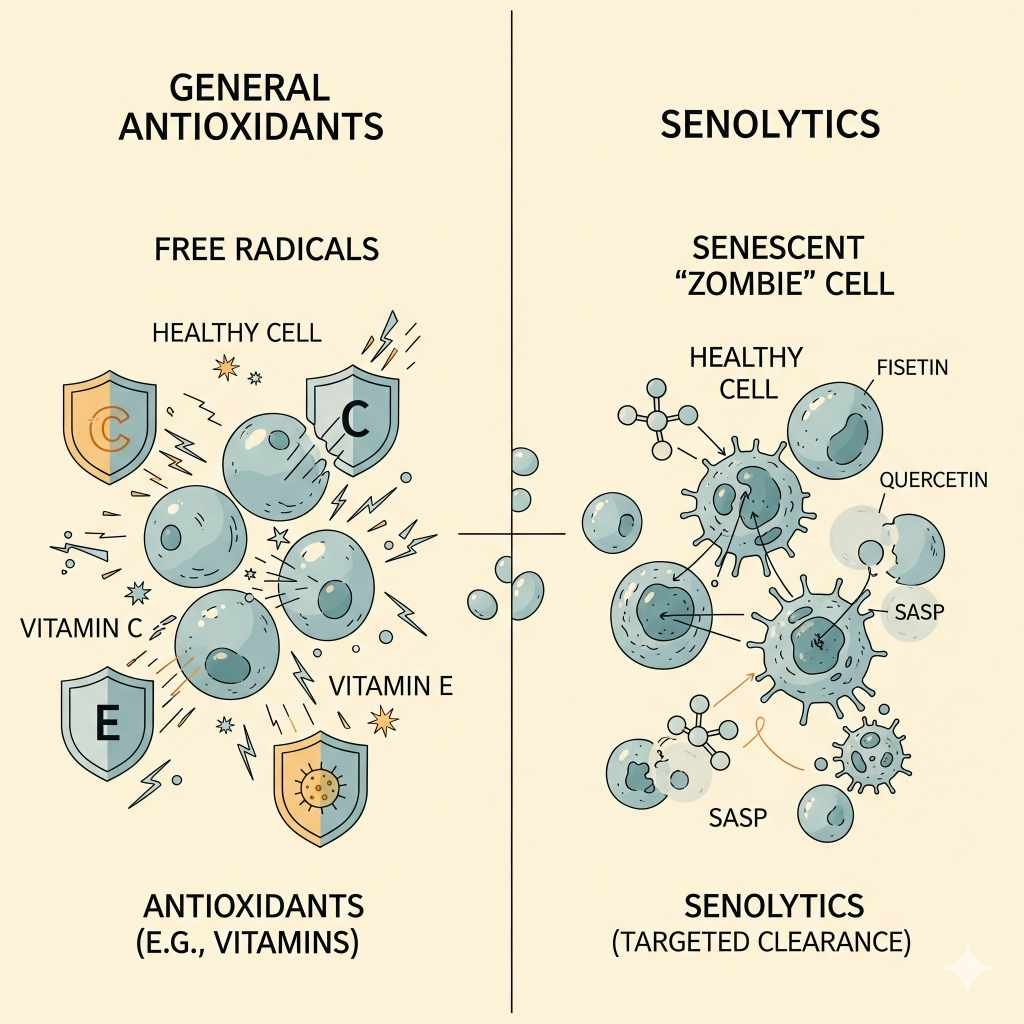
With the buzz around anti-aging, you might wonder if senolytic supplements are worth it. Unlike general antioxidants that protect cells, senolytics target and clear aged “zombie” cells that cause inflammation. This unique, targeted action is their key advantage.
So, is it worth it? For those seeking a next-level approach beyond foundational vitamins, the potential is significant. However, human research is still evolving. Compared to other supplements, senolytics aren’t a replacement but a potentially powerful addition. Always consult your doctor to see if they align with your wellness goals.
The Future of Senolytic Supplements
The future of senolytic supplements is incredibly promising, moving beyond theory into tangible health applications. Research is rapidly evolving from animal studies to human clinical trials, focusing on their potential to combat age-related diseases by clearing dysfunctional “zombie” cells.
The ultimate goal is to develop rigorously tested, FDA-approved senolytic therapies that can safely and effectively extend human healthspan.
However, the current landscape of commercial supplements is largely unregulated. Future conclusions will depend on robust human data to confirm optimal dosing, long-term safety, and real-world efficacy.
The hope is that these supplements will transition from speculative anti-aging aids to proven, targeted treatments for extending human healthspan — but that transition hinges on rigorous clinical evidence and appropriate regulatory oversight.
Comment below with your thoughts and views on senolytic supplements!
FAQ on Senolytic Supplements
What is the best senolytic supplement?
Research suggests fisetin and quercetin are among the most promising senolytic supplements due to their ability to target senescent cells.
Fisetin, found in strawberries, is considered the most potent natural senolytic.
What is the best-rated senolytic?
Fisetin is often considered the best-rated natural senolytic in studies and supplement reviews.
What is the best supplement to get rid of zombie cells?
Fisetin, quercetin, and dasatinib (used in research settings) are shown to help clear zombie cells.
Fisetin and quercetin supplements are commonly studied for senescent cell clearance.
Do senolytic supplements really work?
Animal studies and early human trials show encouraging results, but large-scale clinical proof is still evolving.
Who should not take senolytics?
People with chronic illnesses, those on medication, or who are pregnant or nursing should avoid senolytics without medical advice.
How do you flush out senescent cells naturally?
A nutrient-rich diet, exercise, intermittent fasting, and foods with flavonoids may support the body’s natural clearance process.
Senolytic compounds, exercise, fasting, and antioxidant-rich foods may help reduce senescent cell buildup.
What is the most powerful senolytic?
Dasatinib (a drug studied in labs) shows the strongest effect, while fisetin leads among natural options.
What diseases can senolytics treat?
Research explores their potential in age-related diseases like Alzheimer’s, arthritis, diabetes, and cardiovascular conditions.
Does senolytic really work?
Evidence suggests benefits, but results may vary; ongoing trials will confirm long-term effectiveness.
How effective are senolytics?
They are highly effective in animal models. In humans, early data shows promise, but more research is needed.
Benefits may appear within days to weeks in studies, though their long-term impact requires continued observation.
Are zombie cells real or fake?
Yes, “zombie cells” is a nickname for senescent cells that stop dividing but linger, causing inflammation.
What foods are high in senolytics?
Strawberries, apples, onions, kale, capers, and grapes are rich in senolytic compounds.
What is the best natural senolytic?
Fisetin is the best-researched natural senolytic, mainly found in strawberries.
What foods have senolytics?
Fruits like strawberries, apples, and persimmons, and vegetables like onions and kale contain senolytic flavonoids.
What is the #1 best fruit to slow aging?
Strawberries are considered a top choice due to their high fisetin content.
Is olive oil a senolytic?
Olive oil isn’t a direct senolytic, but it supports anti-inflammatory and longevity pathways.
Is ginger a senolytic?
Ginger is not a proven senolytic but may complement senolytic foods through its antioxidant effects.