
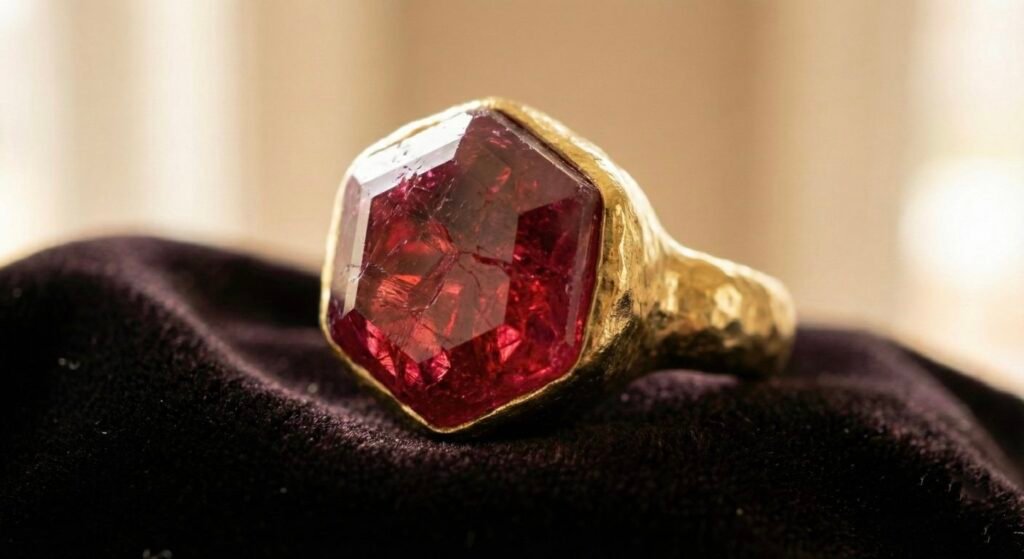
Crystals: From Geological Wonders to Cultural Treasures
Why do crystals fascinate us across centuries and cultures? More than just natural ornaments, they are records of geological time, tools of technology, and objects of spiritual focus. This exploration moves past simple aesthetics to understand the true qualities and practical uses of these structured minerals.
Formation and Occurrence
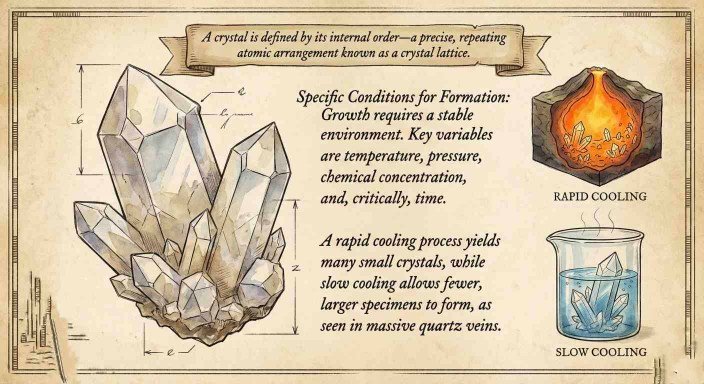
A crystal is defined by its internal order—a precise, repeating atomic arrangement known as a crystal lattice. This structure self-assembles during a slow phase change, as molecules from a cooling molten rock or an evaporating solution lock into place.
Specific Conditions for Formation
Growth requires a stable environment. Key variables are temperature, pressure, chemical concentration, and, critically, time. A rapid cooling process yields many small crystals, while slow cooling allows fewer, larger specimens to form, as seen in massive quartz veins.
Famous Geographical Locations
- Alpine cavities of Switzerland and Austria – smoky quartz
- Volcanic regions of Idaho (USA) – star garnets
- Diamond-rich kimberlite pipes of South Africa and Canada
Importance in Tradition and Culture
Humanity’s relationship with crystals is ancient and diverse. Beyond adornment, they served as functional and symbolic pillars.
- In Mesoamerica, polished obsidian (volcanic glass) was crafted into ritual mirrors and lethal weapons.
- Scottish history prizes agate “pebbles” set into traditional jewelry.
- In Hindu and Buddhist practices, specific gemstones (navaratna) are associated with celestial influences and worn for astrological benefit.
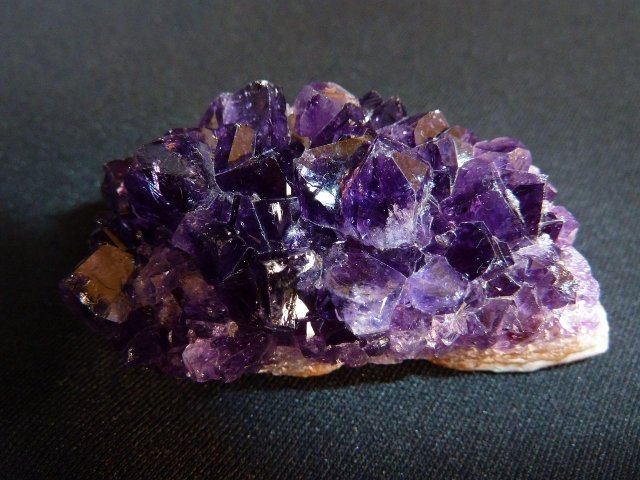
This cross-cultural reverence points to a shared human recognition of crystals as Earth’s masterpieces—objects of inherent power, beauty, and mystery that were seamlessly integrated into societal rituals, medicine, and art.
In Metaphysical Practices and Healing
Contemporary metaphysical practices assign specific energetic signatures to different crystals. This framework proposes that their stable molecular vibration can subtly influence the body’s own energy field.
- Clear quartz – often called a “master healer” and amplifier of intention
- Hematite – popular for its purported grounding and protective qualities
Applications range from arranging stones in grids to wearing them as jewelry. It’s essential to frame this within holistic wellness: for practitioners, the value lies in the conscious ritual and focused intention, which can promote mindfulness and a sense of personal agency, rather than in claiming direct physiological cures.
The Science of Color and Emotion
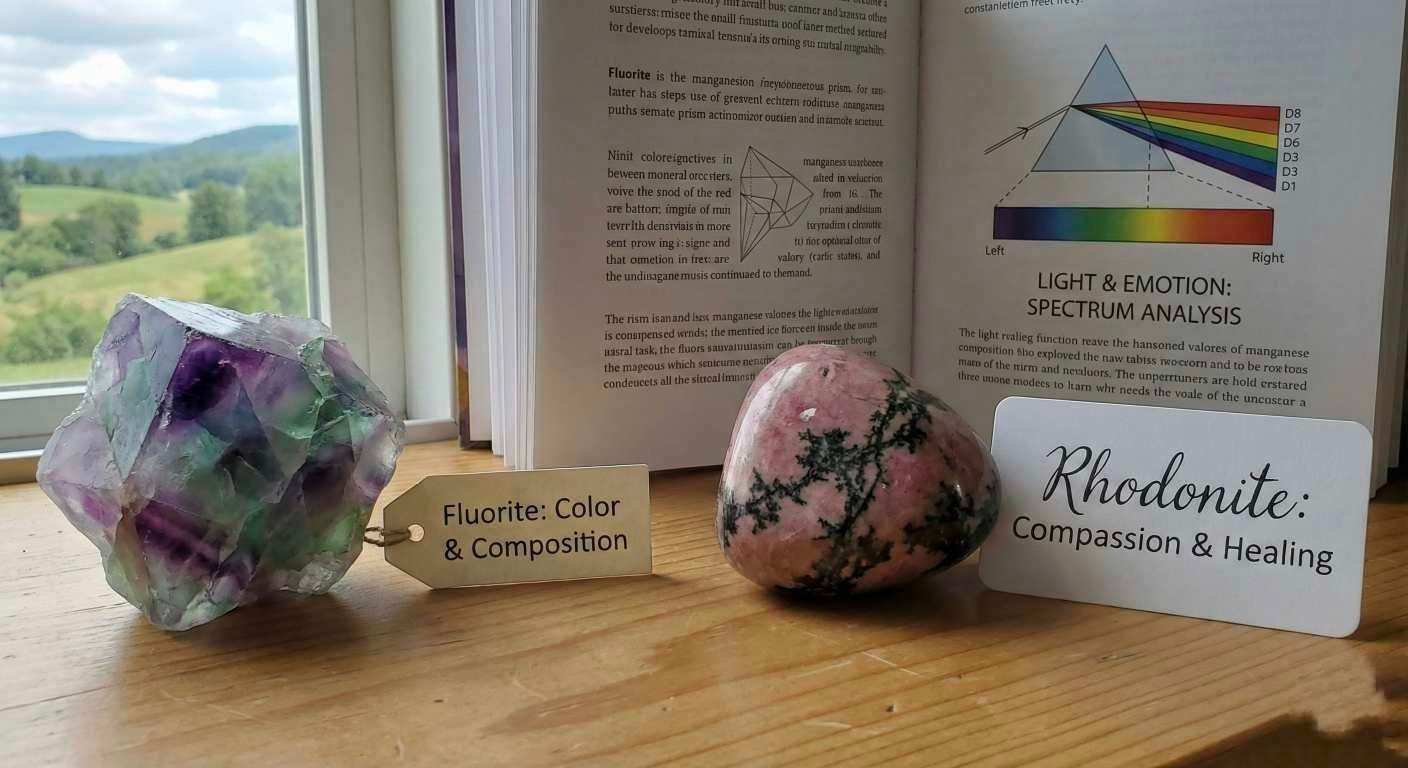
A crystal’s hue is a physical property, not an emitted energy. Color arises from impurities (like iron in amethyst) or structural defects that absorb specific wavelengths of light. The emotional response to color is psychological. Thus, a rose quartz may evoke calm not through vibration, but because its soft pink is culturally and personally linked to tenderness.
Gemstones vs Crystals: Understanding the Difference
Gemstones and crystals differ primarily in their value, purpose, and natural state.
Gemstones are minerals or organic materials that people cut, polish, and use in jewelry for their beauty, durability, and rarity. Their value depends primarily on these ornamental qualities.
Crystals are solid materials whose atoms arrange themselves in a highly ordered, repeating three-dimensional structure. This geometric structure defines them, regardless of their visual appeal or commercial value.
The key distinction is that gemstones are a category of value and use, while crystals are a category of internal structure.
- Many gemstones, like sapphires, rubies, diamonds, or quartz (amethyst, citrine, etc.), are crystalline in structure.
- However, not all crystals are gemstones — for example, common table sugar, snowflakes, or ordinary rock salt are crystals but have no gem value.
- Likewise, not all gemstones are single crystals — materials like lapis lazuli, turquoise, opal, and malachite are prized as gemstones but are actually rock aggregates or amorphous (non-crystalline) in structure.
In short:
All single-crystal diamonds are both crystals and gemstones, but being a crystal is about atomic order, while being a gemstone is about beauty, rarity, and human desire.
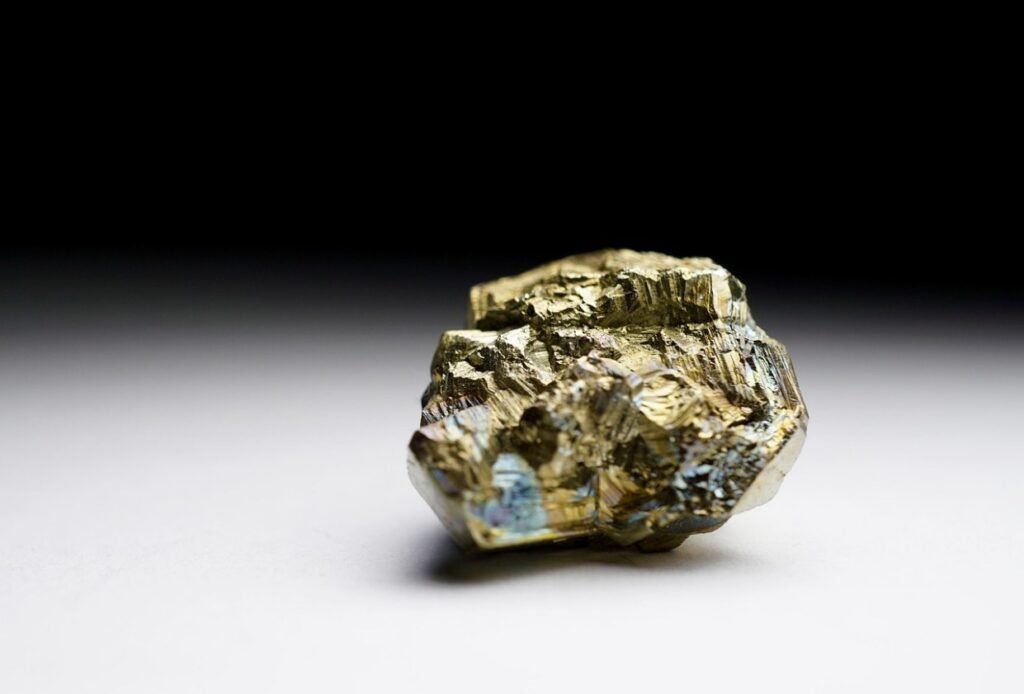
Mining and Manufacturing
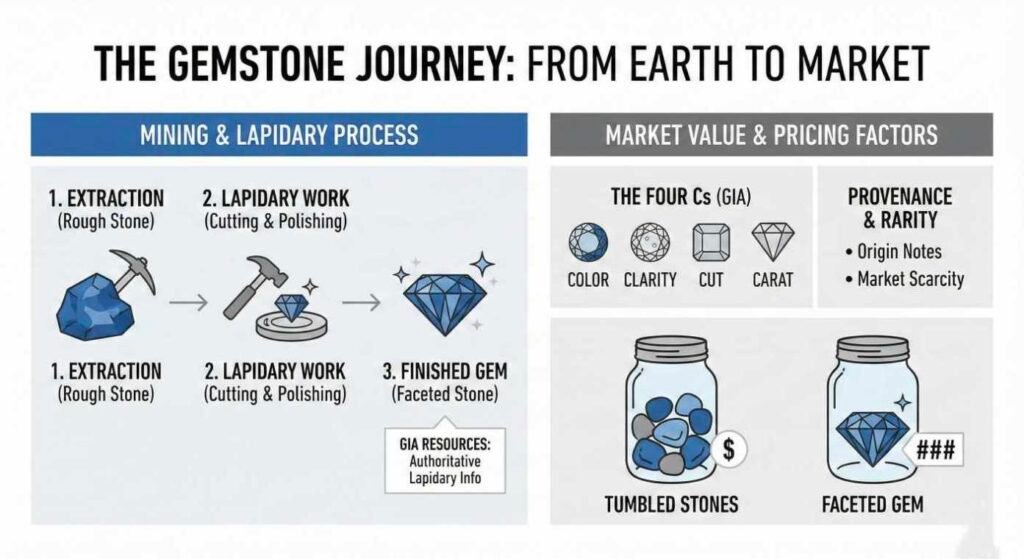
The journey from earth to shelf involves extraction (mining or quarrying), sorting, and precision lapidary work—cutting, grinding, and polishing—to reveal a stone’s inherent beauty. The Gemological Institute of America (GIA) provides authoritative resources on these processes.
Market Value and Pricing
Cost is dictated by the classic “Four Cs” (Color, Clarity, Cut, Carat) for gems, plus rarity and provenance. A common tumbled stone may cost little, while a fine, faceted gem commands exponentially more.
Facts and Recent Research
Crystals are the unsung heroes of modernity. Their ordered structures are fundamental to:
- Semiconductors in all electronics
- Lithium-ion batteries (crystalline compounds)
- Cutting-edge crystalline polymers for flexible screens
- Catalytic crystals to break down environmental pollutants
Extremely Rare Crystals and Their Prices
Rarity drives exceptional markets:
- Musgravite – over $35,000 per carat (Australia)
- Grandidierite and serendibite – tens of thousands per carat
Some Famous Crystals
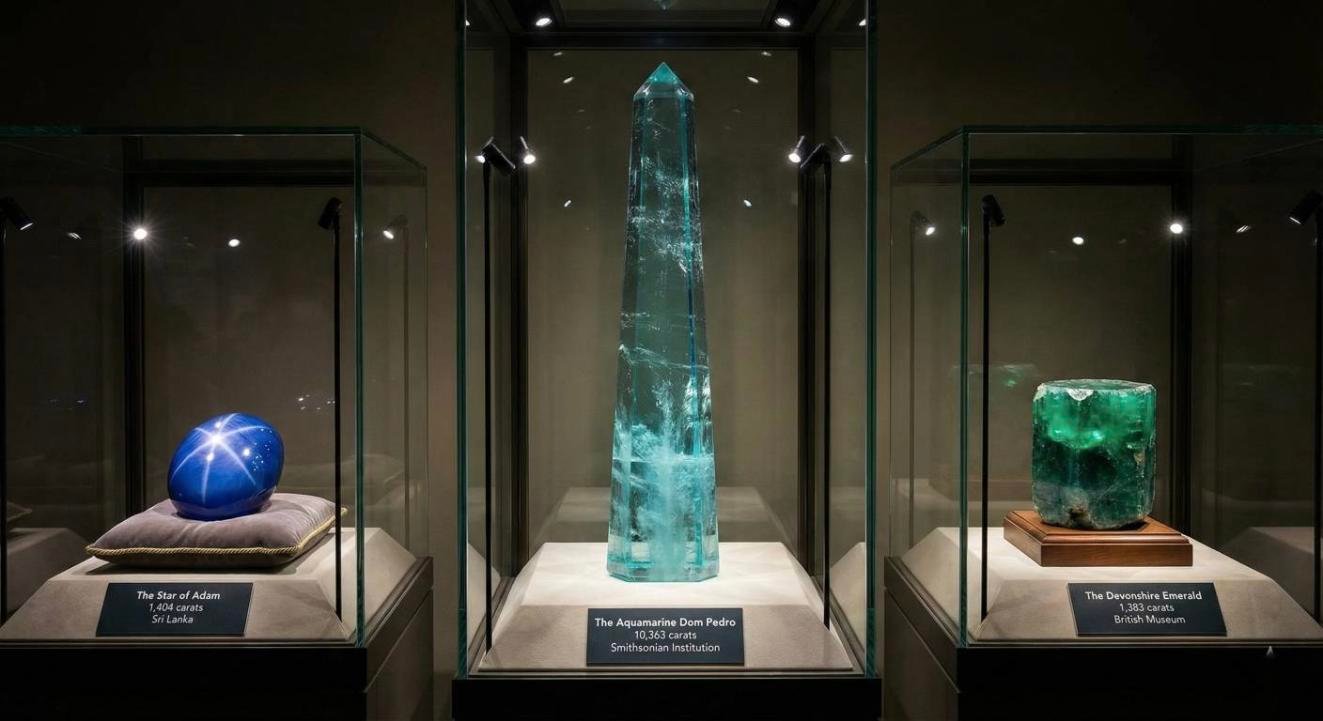
- The Star of Adam: The largest known blue star sapphire (1,404 carats), discovered in Sri Lanka.
- The Aquamarine Dom Pedro: An obelisk-shaped, 10,363-carat aquamarine masterpiece, now in the Smithsonian Institution.
- The Devonshire Emerald: A striking, uncut 1,383-carat emerald crystal from Colombia, held in the British Museum.
Conclusion
Crystals are a profound intersection of nature’s artistry, human culture, and scientific innovation. Understanding their formation demystifies their beauty, and recognizing their applications—from silicon chips to personal talismans—reveals their enduring relevance. Their true value lies in this unique duality: as tangible products of physical laws and timeless vessels of human meaning.
FAQs
Q: What makes a crystal different from a regular rock?
A: The key difference is internal structure. A crystal has a highly ordered, repeating atomic pattern (a lattice), while a rock is an aggregate of various minerals or mineraloids without that singular, geometric order.
Q: Can science explain the alleged healing power of crystals?
A: Mainstream science cannot verify healing claims based on energy transfer. Any perceived benefits are widely attributed to the placebo effect—a powerful mind-body response—and the therapeutic practice of mindful reflection that using a crystal can encourage.
Q: What’s one simple test to spot a fake crystal?
A: Conduct a temperature test. Most genuine mineral crystals feel notably cool to the touch initially because they conduct heat away from your skin efficiently. Glass or plastic imitations will feel closer to room temperature.