Introduction
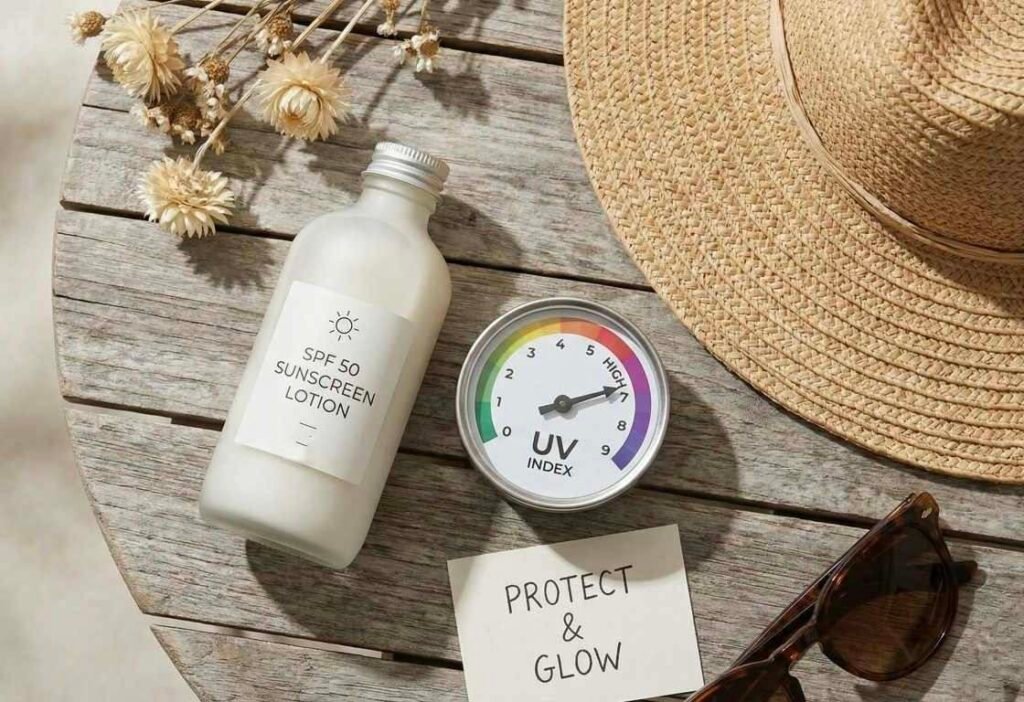
Did you know the sun’s strength is measured daily as a Ultraviolet (UV) Index? Just checking the weather isn’t enough for true skin protection. Understanding how to pair your sunscreen with the UV index is the cornerstone of effective, intelligent sun care. This guide will demystify sunscreen selection, explain the science of sun damage, and provide a clear action plan to shield your skin from high UV days. Let’s transform your approach from basic lotion to a powerful defense strategy.
Key sunscreen topics we will discuss:
- Range and Classification of Sunscreen Types
- Sunscreen Types Based on Different Skin Types
- Science in Relation to Melanin Production
- Skin Types Explained and Classified
- Effects and Causes of Overexposure to Sun Rays
- UV Rays and Their Effect on the Skin
- DNA Repair and Shielding Effect by Sunscreen
- Sunscreen Gear Along with Sunscreen
- How and When to Apply Sunscreen
- Mineral Sunscreen
- Components of Sunscreen
Range and Classification of Sunscreen Types
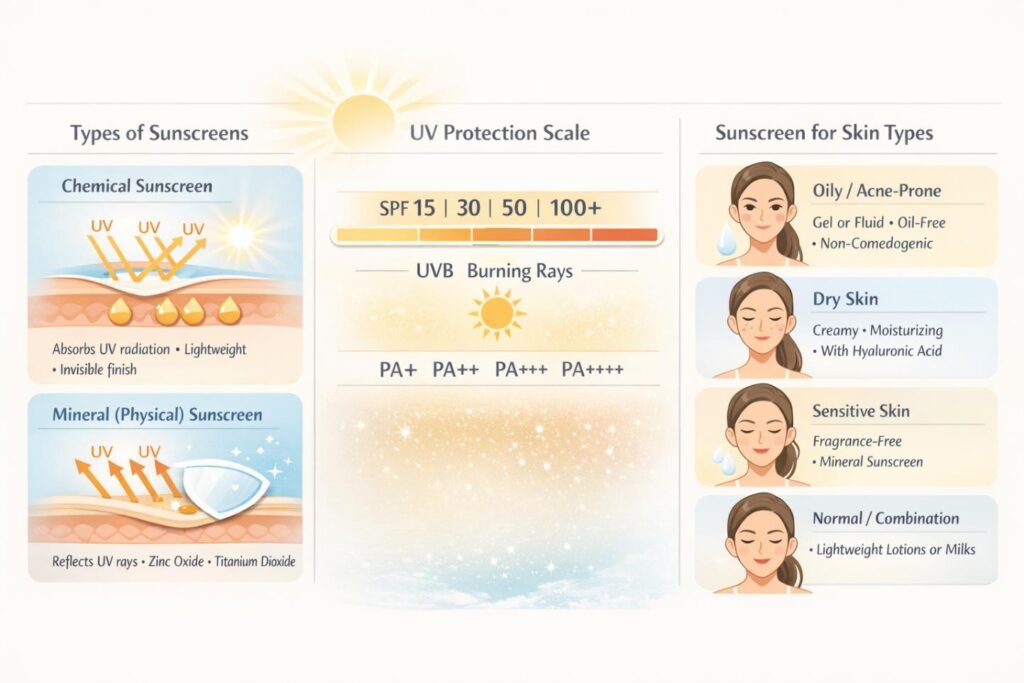
Sunscreens are broadly classified into two types: chemical and mineral (physical). Chemical sunscreens work by interacting with ultraviolet radiation and transforming it into a less harmful form of energy before it can damage the skin. Mineral sunscreens, containing zinc oxide or titanium dioxide, sit on the skin’s surface and reflect rays away like a shield. The protection range is indicated by the Sun Protection Factor (SPF), which primarily measures defense against UVB rays (the burning rays), and the PA++ system, which indicates protection against UVA rays (the aging rays). SPF values typically range from 15 to 100+, with higher numbers offering more protection.
Sunscreen Types Based on Different Skin Types
Choosing the right formula prevents irritation and ensures consistent use. Individuals with oily or acne-susceptible skin should choose lightweight, oil-free sunscreens labeled as non-comedogenic, often available in gel or fluid textures. Dry skin benefits from creamy, moisturizing sunscreens with hydrating components like Hyaluronic Acid. Sensitive skin should lean towards fragrance-free mineral sunscreens. For normal or combination skin, lightweight lotions or milks are ideal. Always patch-test new products.
Science in Relation to Melanin Production
Melanin is the pigment responsible for skin color and is synthesized by specialized skin cells known as melanocytes. Upon UV exposure, melanin production increases, leading to a tan—a sign of skin damage, not health. This process is the skin’s desperate attempt to create a natural sunblock. However, this defense is weak. UV exposure causes direct harm by inducing mutations in skin cell DNA. Unrepaired mutations can accumulate, potentially leading to skin cancer over time.
Skin Types Explained and Classified
The Fitzpatrick Scale classifies skin types based on melanin content and reaction to sun exposure. It ranges from Type I (pale skin, always burns, never tans) to Type VI (deeply pigmented skin, rarely burns). While higher melanin offers some innate protection (approximately SPF 13 in Type VI skin), it does not eliminate the risk of DNA damage or skin cancer. Everyone, regardless of skin type, requires daily sunscreen.
Effects and Causes of Overexposure to Sun Rays
Overexposure occurs when skin receives more UV radiation than its melanin can handle. Causes include prolonged outdoor activity, reflection from surfaces like water or snow, and high UV index days. Immediate effects are sunburn (erythema), tanning, and photosensitivity reactions. Long-term effects include photoaging (wrinkles, spots), immunosuppression, and a significantly increased risk of melanoma and non-melanoma skin cancers.

UV Rays and Their Effect on the Skin
There are two main types that reach Earth: UVA and UVB. UVA rays (320-400 nm) penetrate deep into the dermis, causing premature aging, wrinkles, and contributing to cancer. They are constant year-round and penetrate glass. UVB rays (290-320 nm) affect the epidermis, causing sunburn and playing a key role in skin cancer development. Both types are strongest when the UV index is high, typically between 10 a.m. and 4 p.m.
DNA Repair and Shielding Effect by Sunscreen
When UV rays penetrate skin cells, they can cause thymine dimers—a type of DNA mutation where molecular bonds are fused. The body has natural repair enzymes, but this system can be overwhelmed. Sunscreen acts as a primary shield, absorbing or reflecting photons before they strike the skin. This “shielding effect” dramatically reduces the rate of DNA damage, giving your cellular repair mechanisms a fighting chance and preventing mutations from becoming permanent.
Sunscreen Gear Along with Sunscreen
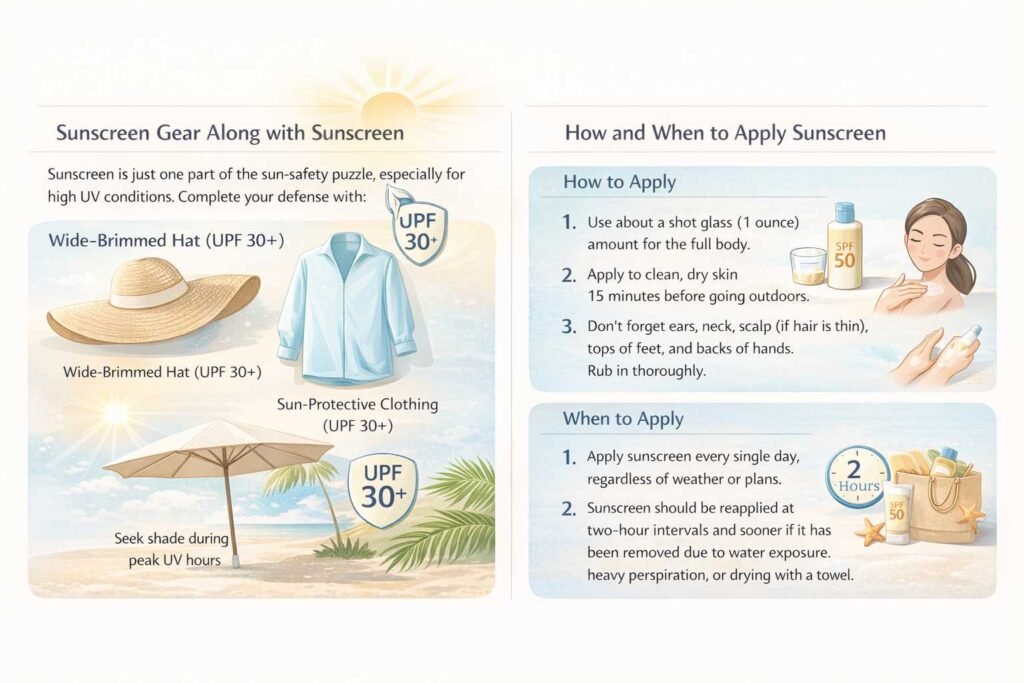
Sunscreen is just one part of the sun-safety puzzle, especially for high UV conditions. Complete your defense with sun-protective clothing rated UPF (Ultraviolet Protection Factor) 30+, wide-brimmed hats that shade your face, neck, and ears, and UV-blocking sunglasses to protect your eyes and the delicate surrounding skin. Seek shade during peak intensity hours, typically when your shadow is shorter than you are.
How and When to Apply Sunscreen
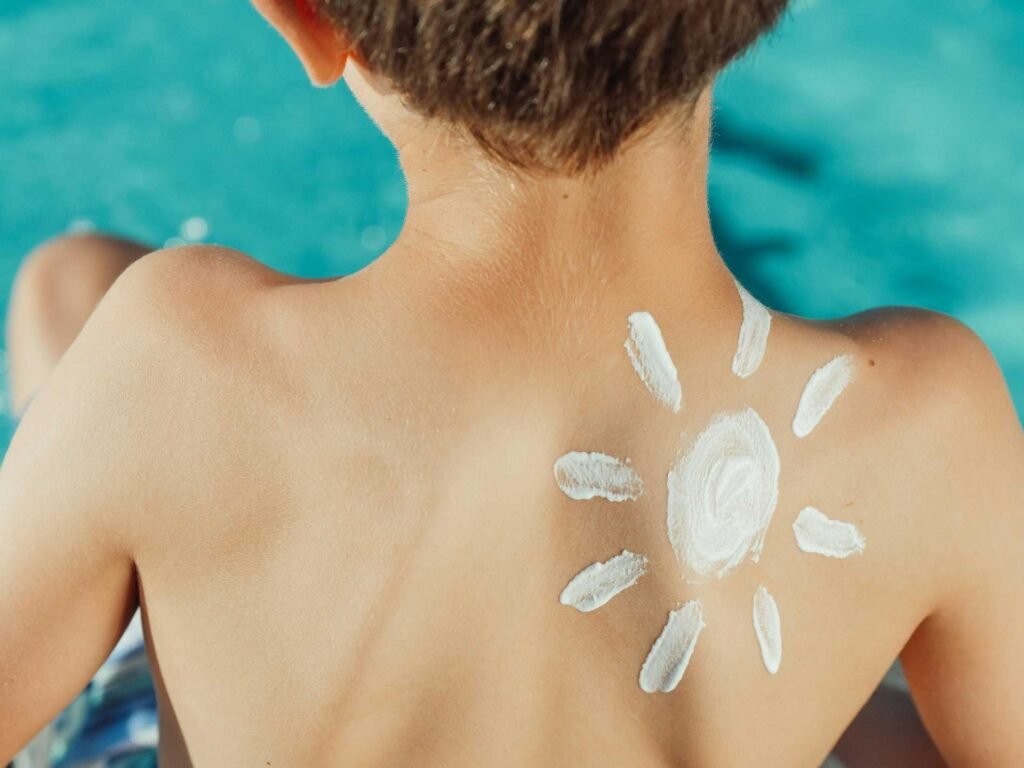
How to Apply: Use about a shot glass (1 ounce) amount for the full body. Apply to clean, dry skin 15 minutes before going outdoors. Don’t forget ears, neck, scalp (if hair is thin), tops of feet, and backs of hands. Rub in thoroughly.
When to Apply: Apply sunscreen every single day, regardless of weather or plans. Sunscreen should be reapplied at two-hour intervals and sooner if it has been removed due to water exposure, heavy perspiration, or drying with a towel. On a high UV day, be meticulous with reapplication.
Mineral Sunscreen
Mineral sunscreens, sometimes called physical blockers, use active ingredients zinc oxide and/or titanium dioxide. They are often recommended for sensitive skin and children as they are less likely to cause irritation. They protect against a broad spectrum of UVA/UVB rays immediately upon application. Modern formulations are much more cosmetically elegant, reducing the pasty white cast of older versions.
Components of Sunscreen
Beyond active UV filters, modern sunscreens include beneficial skincare ingredients. Niacinamide (Vitamin B3) helps calm inflammation and improve the skin barrier. The PA++ rating (Protection Grade of UVA) comes from the Persistent Pigment Darkening test, with more ‘+’ symbols indicating better UVA protection (e.g., PA++++). SPF (Sun Protection Factor) measures the time it would take for UVB rays to redden skin versus unprotected skin. Hyaluronic Acid provides hydration, plumping the skin. Other common components include antioxidants (Vitamin C, E) to neutralize free radicals and moisturizers like glycerin.
Q&A Section
- Q: Can I use last year’s sunscreen?
A: Check the expiration date. If expired or stored in extreme heat, its efficacy is compromised. Generally, a bottle should be used within one year of opening. - Q: Is SPF 100 twice as good as SPF 50?
A: No. SPF 50 filters approximately 98% of UVB radiation, whereas SPF 100 offers only a slightly higher protection level of around 99%. The difference is marginal. Proper and generous application of SPF 30–50 is more important than chasing the highest number. - Q: Is sunscreen necessary on overcast or cloudy days?
A: A significant portion of ultraviolet radiation—up to about 80%—is still able to pass through cloud cover and reach the skin. The UV index is the best daily guide, not cloud cover.
Conclusion
Mastering the use of sunscreen for UV index protection is a lifelong investment in your skin’s health and appearance. It’s not just about avoiding sunburn; it’s about actively preventing DNA damage, premature aging, and skin cancer by understanding the forecast and choosing your defense accordingly. Start today: check the daily UV index, choose a broad-spectrum SPF 30+ sunscreen suited to your skin, apply it generously, and reapply diligently. Your future skin will thank you.
Consult your dermatologist while choosing a sunscreen.